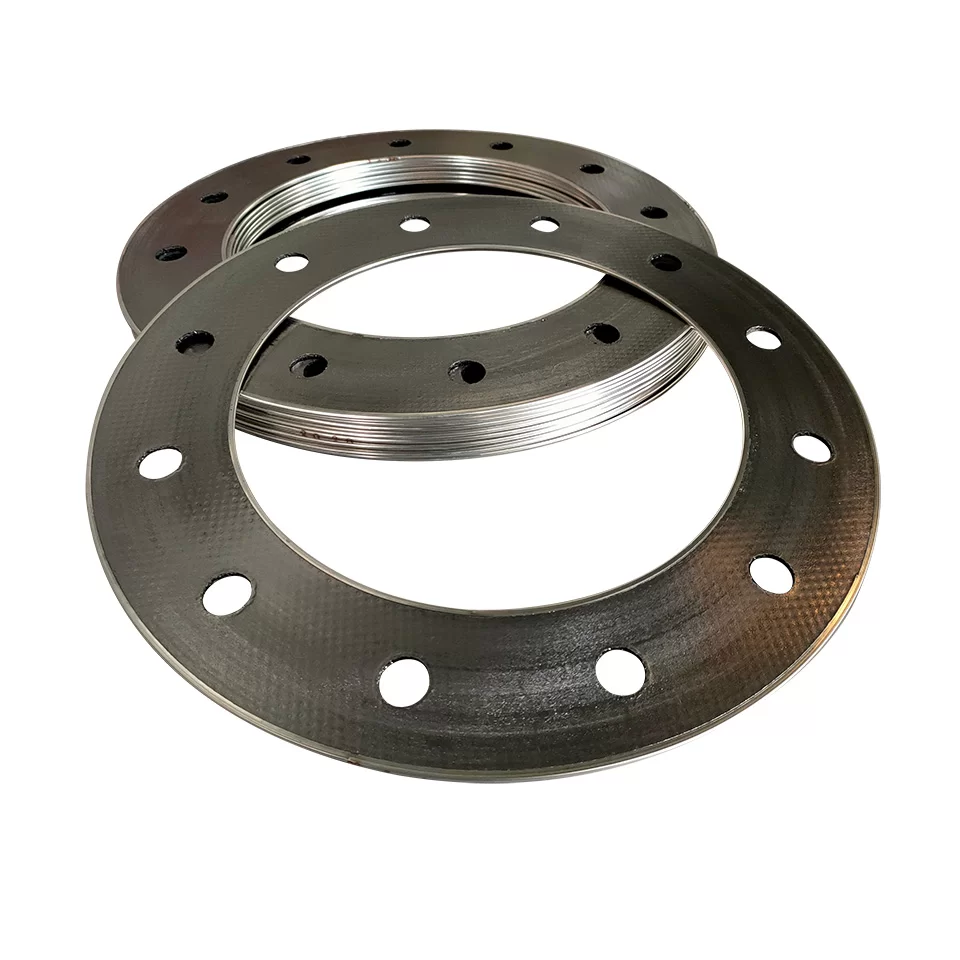
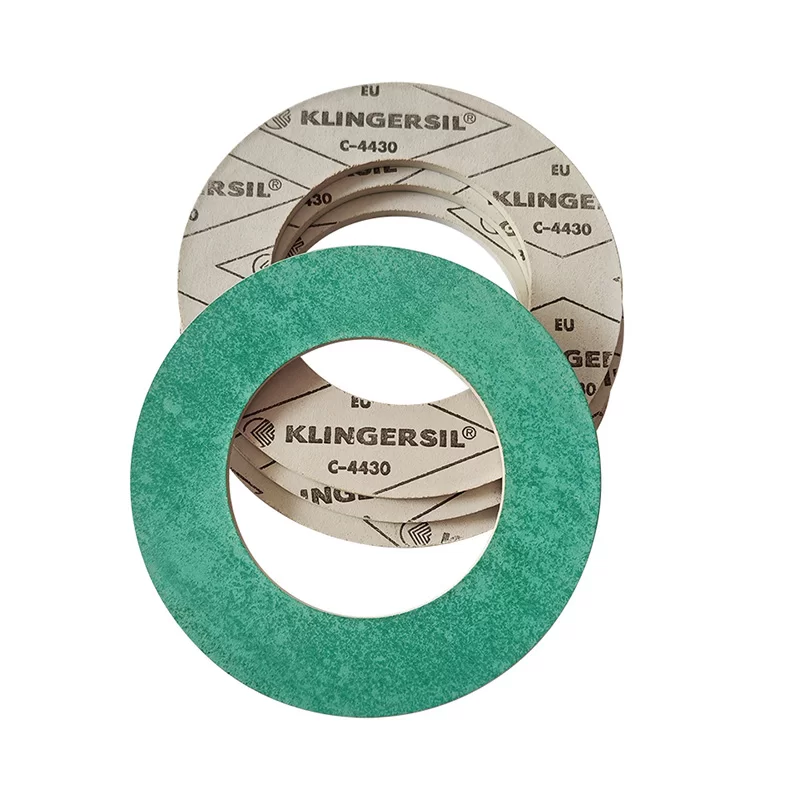
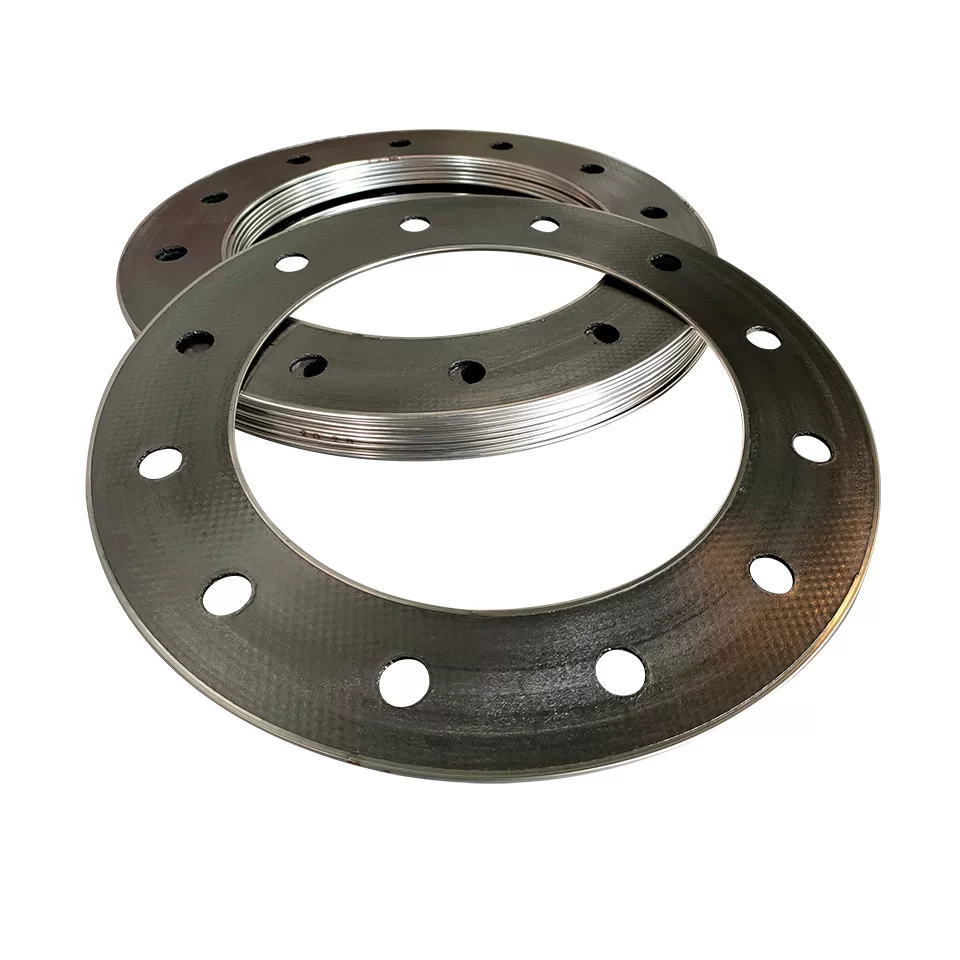
In the high-stakes environments of oil refineries, petrochemical plants, and offshore platforms, the integrity of a bolted flange connection is the primary line of defense against catastrophic failure. Among the various sealing technologies available, the Fire Safe Spiral Wound Gasket (SWG) stands out as a critical component. These gaskets are specifically engineered to maintain a seal even when exposed to the extreme thermal radiation of a hydrocarbon fire, a capability validated by the API 6FB standard.
What is a Spiral Wound Gasket?
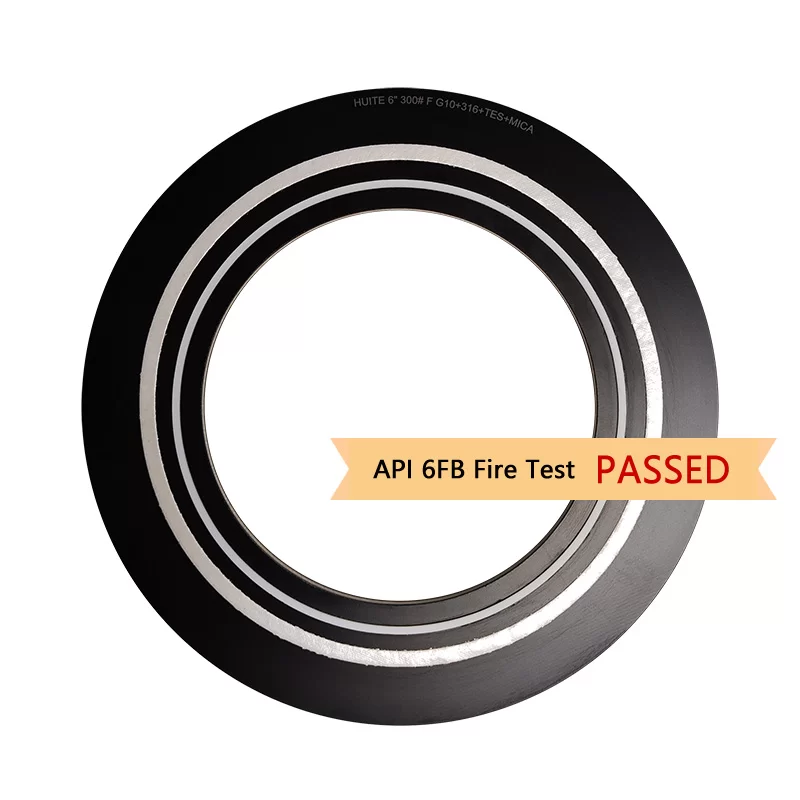
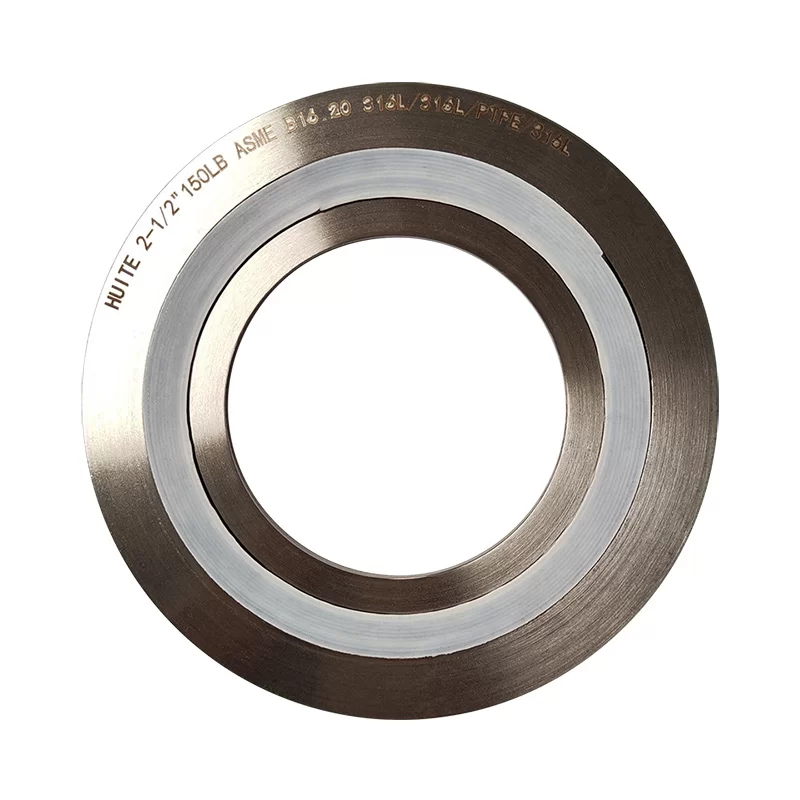
A standard Spiral Wound Gasket is a semi-metallic gasket consisting of a V-shaped metallic strip (the winding) spirally wound in combination with a soft filler material (such as Graphite or PTFE).
The Metal Strip: Provides structural resilience and acts like a spring, allowing the gasket to "breathe" under varying pressure and temperature loads.
The Filler: Provides the actual sealing medium.
The Guide Rings: Most fire-safe designs utilize an outer ring (for centering and blowout resistance) and an inner ring (to prevent winding inward buckling and protect the windings from media turbulence).
The "Fire Safe" Distinction
While standard graphite-filled SWGs have inherent heat resistance, being "Fire Safe" is a performance-based designation. In a fire scenario, the gasket must deal with two major threats:
Extreme Temperature: Reaching up to 760°C to 980°C (1400°F to 1800°F).
Thermal Shock: When a fire is extinguished by water or foam, the sudden drop in temperature can cause flange contraction, which may lead to a loss of bolt tension and gasket seating stress.
A Fire Safe SWG is designed to retain enough mechanical energy and sealing material to prevent a massive leak (a "blowout") during and after the fire, ensuring that the fire is not "fed" by leaking process media.
Decoding the API 6FB Standard
The American Petroleum Institute (API) 6FB is the industry-standard "Test for Evaluation of Valve Connection Designs in Fire." Although it is a valve test, it is the benchmark for certifying the fire-safe performance of the gasketed joints within those valves.
The Testing Procedure
The test is rigorous and simulates a "worst-case" disaster scenario:
The Burn Period: The gasketed joint is pressurized and exposed to flames for 30 minutes. The flame temperature must reach between 760°C and 980°C.
The Cooldown: After the burn, the joint is rapidly cooled (often with water) to simulate fire suppression.
Post-Fire Leakage: Throughout the burn and the cooldown, the leakage rate is measured. To pass API 6FB, the leakage must stay below a very strict threshold (typically measured in milliliters per inch of mean gasket diameter per minute).
Key Design Features for Fire Safety
To meet API 6FB requirements, manufacturers focus on several critical design elements:
High-Purity Flexible Graphite: While PTFE is a common filler for chemical resistance, it melts at roughly 327°C, making it non-fire safe. Fire-safe gaskets almost exclusively use high-purity, oxidation-inhibited flexible graphite, which can withstand extreme heat without losing its sealing properties.
The Inner Ring Requirement: For a gasket to be truly fire-safe, an inner ring is essential. During a fire, the flange can warp. The inner ring acts as a compression stop, preventing the spiral windings from collapsing into the pipe bore, which would lead to immediate seal failure.
Material Selection: The metallic winding is often 316L Stainless Steel, but for high-temperature fire safety, exotic alloys like Inconel 625 or 321 SS are used to ensure the metal retains its "spring-back" (resiliency) even at cherry-red temperatures.
Why the Inner Ring Matters (The "Blowout" Factor)
In the context of API 6FB, the inner ring is not just an "extra feature"—it is a safety necessity.
Thermal Expansion: Different rates of expansion between the bolt, flange, and gasket can cause the gasket to shift.
Pressure Spikes: Fires cause the fluid inside the pipe to expand rapidly, increasing internal pressure.
The inner ring provides a secondary boundary that ensures the winding remains confined between the flange faces regardless of how much the bolts stretch.
Applications and Industry Impact
Fire Safe SWGs are mandated in sectors where the "Loss of Primary Containment" (LOPC) could lead to an explosion:
Upstream Oil & Gas: Wellhead equipment and Christmas trees.
Refineries: Hydrocracking units, distillation columns, and high-pressure steam lines.
Chemical Processing: Handling flammable solvents or hazardous chemicals.
By using API 6FB certified gaskets, engineers can perform a Quantitative Risk Assessment (QRA) with the confidence that the sealing points will not fail catastrophically during the critical 30-minute window needed for emergency shutdown systems to activate.
Comparison: Standard vs. Fire Safe
Feature | Standard SWG | Fire Safe SWG (API 6FB) |
Filler Material | PTFE or Graphite | High-Purity/Inhibited Graphite |
Rings | Often Outer Ring only | Must have Inner and Outer Rings |
Validation | ASME B16.20 | API 6FB Fire Test Certification |
Resilience | Standard spring-back | High-temperature alloy resilience |
Typical Use | Water, Air, Low-temp Chemicals | Hydrocarbons, High-pressure steam |
The API 6FB Fire Safe Spiral Wound Gasket is more than just a sealing component; it is a critical safety fuse in industrial piping. By combining the mechanical strength of specialized alloys with the thermal resistance of high-grade graphite, these gaskets ensure that even in the midst of a fire, the "weakest link" in the piping system remains strong enough to prevent further disaster.
When specifying gaskets for flammable services, always verify that the manufacturer provides a Third-Party API 6FB Fire Test Report. This ensures the product has been physically proven to survive the heat.