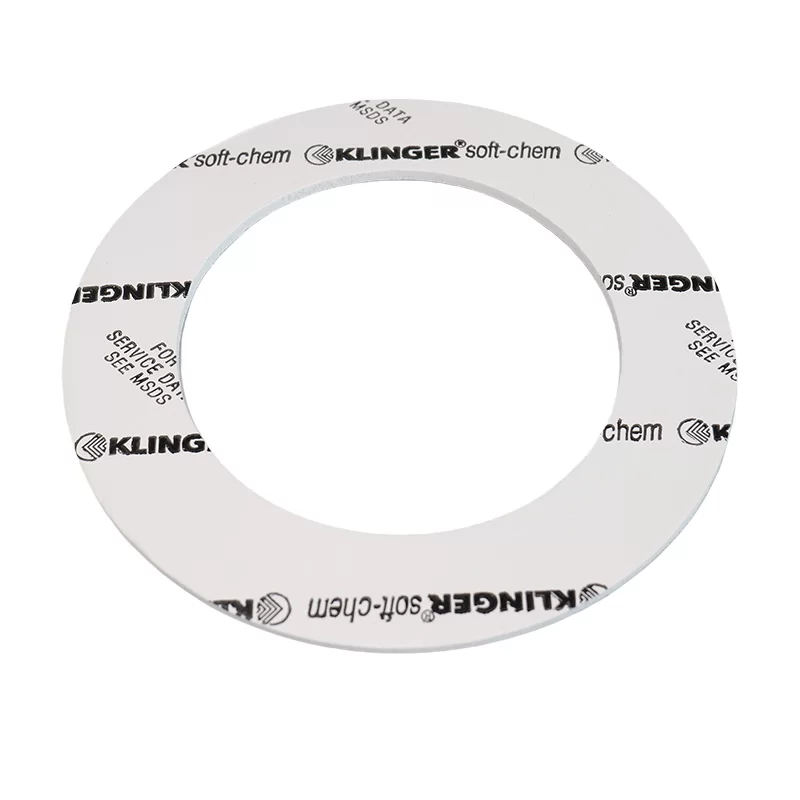
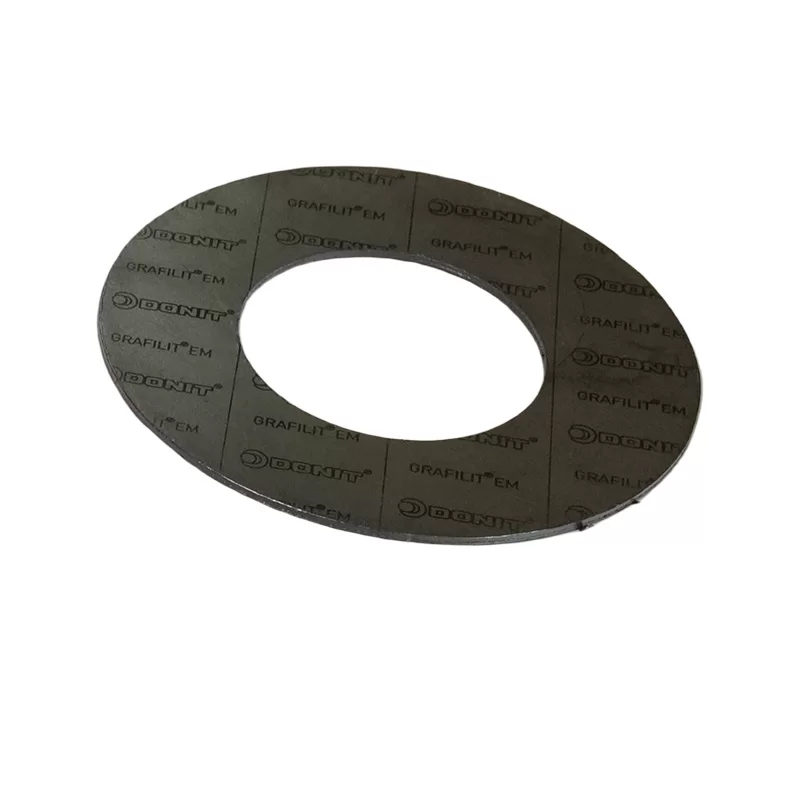
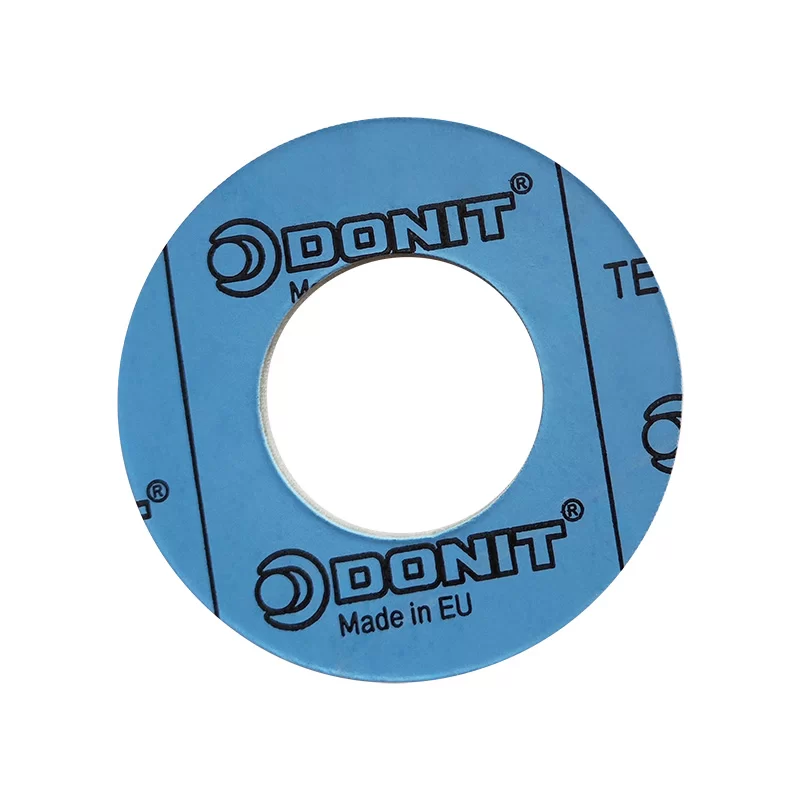
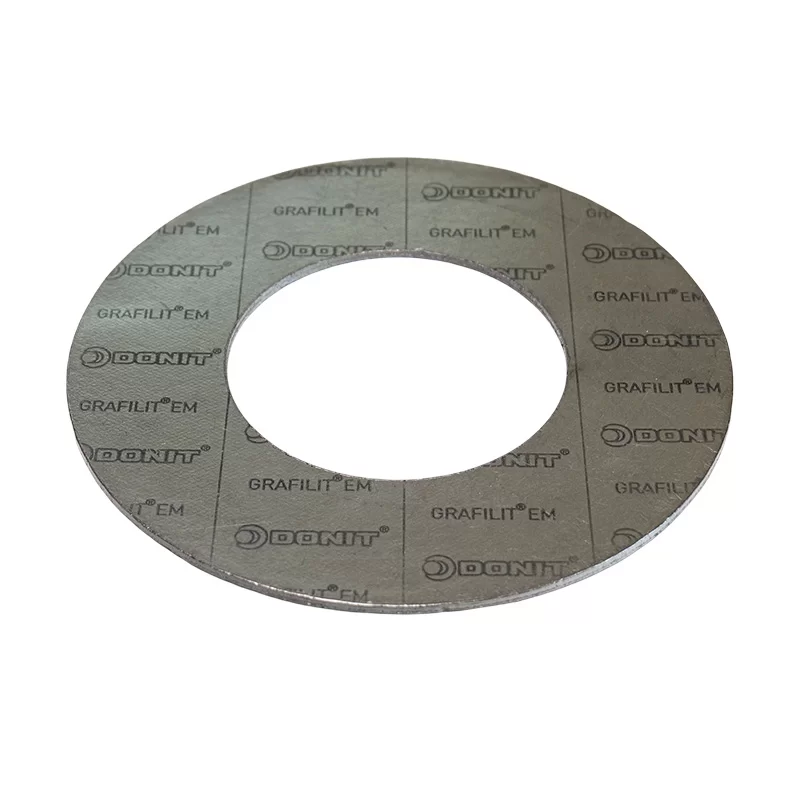
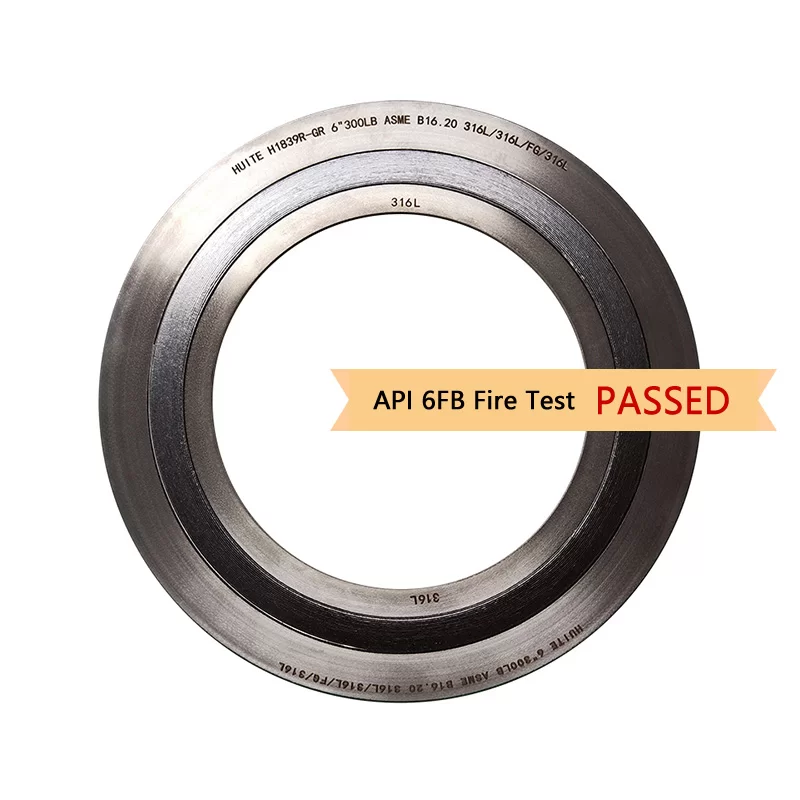
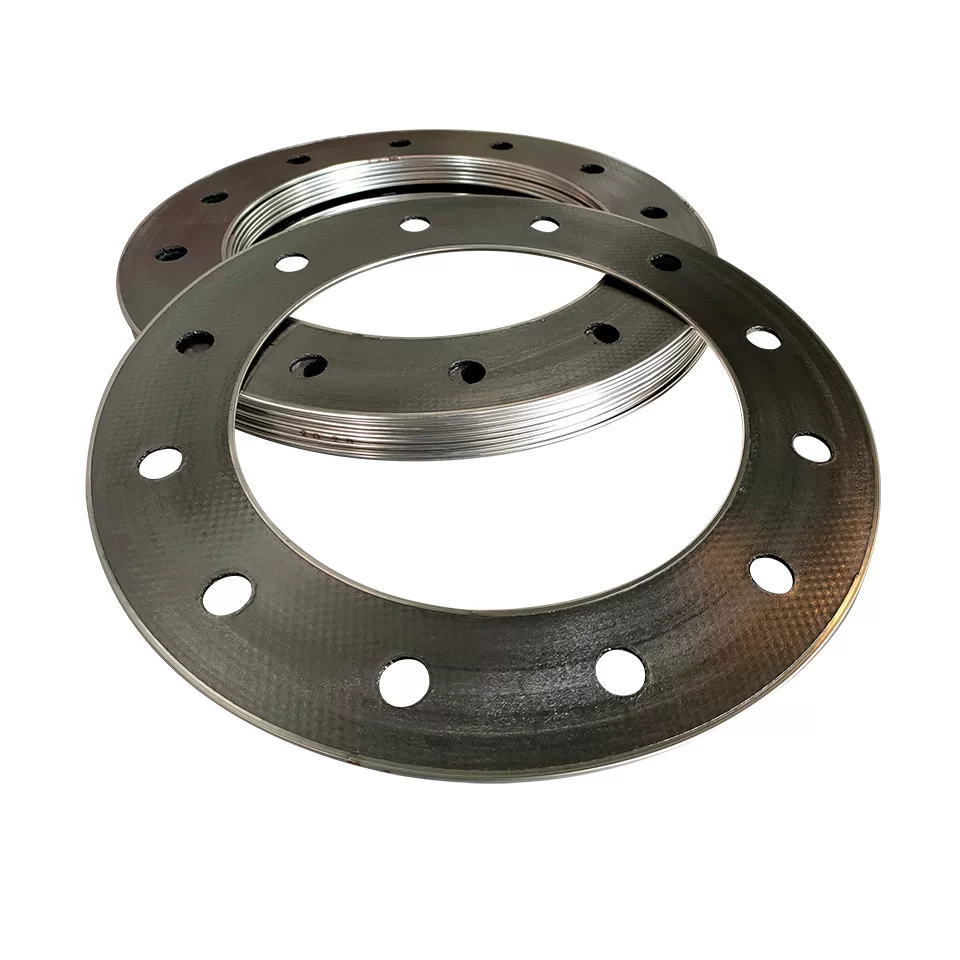
In the demanding world of industrial fluid handling, the integrity of a bolted flange connection is often the only barrier between a safe operation and a catastrophic leak. While the flange and bolts provide the structural framework, the Spiral Wound Gasket (SWG) serves as the critical seal. However, these gaskets do not operate in a vacuum; they are constantly subjected to harsh chemical environments, fluctuating temperatures, and high pressures. Understanding the corrosion resistance of a spiral wound gasket is not merely a technical exercise—it is a fundamental requirement for plant safety and longevity.
The Architecture of Resistance
To understand how a spiral wound gasket resists corrosion, one must first look at its unique "sandwich" construction. An SWG is composed of three primary components, each playing a distinct role in the battle against chemical degradation:
The Metal Winding (The Backbone): Usually a V-shaped or W-shaped stainless steel or exotic alloy strip. This provides the mechanical recovery and structural strength.
The Filler Material (The Sealer): A soft material, typically Graphite or PTFE, tucked between the metal windings. This is what actually creates the seal by flowing into the flange imperfections.
The Rings (The Support): An inner ring and an outer (centering) ring. While the outer ring helps center the gasket and prevents blowout, the inner ring is the most crucial for corrosion resistance as it protects the windings from direct contact with the process media.
The Role of Metallurgy in Hostile Environments
The primary defense against corrosion in an SWG lies in the selection of the metallic winding and the inner ring. Since the winding is thin (often around 0.2mm), even a small amount of "pitting" or surface corrosion can lead to structural failure and loss of spring-back tension.
Stainless Steels (304 and 316L): These are the workhorses of the industry. 316L, with its addition of molybdenum, offers superior resistance to chlorides and acetic acids compared to 304. However, in highly acidic or high-temperature environments, even 316L can succumb to stress corrosion cracking.
Super Alloys (Inconel, Monel, and Hastelloy): When the media is particularly aggressive—such as hydrofluoric acid or high-temperature steam—engineers turn to "exotic" materials. Monel 400 is the standard for fluorine and hydrofluoric acid applications, while Inconel 625 is prized for its resistance to oxidation and pitting in extreme thermal cycles.
Titanium: Reserved for highly oxidizing environments (like nitric acid) where other metals would dissolve, Titanium provides an exceptional oxide layer that heals itself if scratched.
The Filler Material: Graphite vs. PTFE
While the metal provides the skeleton, the filler is the flesh of the gasket. Its chemical compatibility is just as vital.
Flexible Graphite is the most common filler due to its wide temperature range and excellent recovery. From a corrosion standpoint, graphite is generally inert. However, it can promote galvanic corrosion in specific circumstances. Because graphite is electrically conductive and sits high on the noble scale, it can act as a cathode, potentially causing the surrounding metal windings to corrode if an electrolyte (like seawater) is present. To combat this, high-quality graphite fillers often include "corrosion inhibitors" that act as sacrificial agents to protect the metal.
PTFE (Polytetrafluoroethylene), on the other hand, is the ultimate "shield." It is almost entirely chemically inert, resisting virtually all acids, bases, and solvents. In highly corrosive chemical processing where graphite might be oxidized or where galvanic corrosion is a high risk, PTFE-filled SWGs are the gold standard. The trade-off is its limited temperature resistance compared to graphite.
Critical Mechanisms of Gasket Failure
Corrosion in spiral wound gaskets rarely happens as a uniform thinning of the metal. Instead, it manifests in more insidious ways:
1. Crevice Corrosion
This is perhaps the most common threat to SWGs. Because the gasket sits between two flange faces, tiny gaps or "crevices" exist. If the process fluid becomes trapped in these areas and stagnates, the oxygen is depleted, the pH drops, and the protective oxide layer on the stainless steel breaks down. This is why the inner ring is so vital—it fills the void between the flange bore and the gasket winding, eliminating the crevice where stagnant fluid could gather.
2. Stress Corrosion Cracking (SCC)
Spiral wound gaskets are under immense compressive stress from the bolts. In the presence of specific corrosive agents—most notably chlorides—the metal windings can develop microscopic cracks. These cracks propagate rapidly under stress, leading to a sudden, brittle failure of the winding.
3. Oxidation of Graphite
At temperatures exceeding 450°C (850°F), graphite begins to react with oxygen. Over time, the filler literally "disappears" as it turns into carbon dioxide gas. This leaves the metal windings unsupported, leading to a loss of seal and eventual leakage. In these high-heat, high-oxygen environments, specialized "oxidation-inhibited" graphite or mica-based fillers are required.
The Importance of the Inner Ring
In the past, many spiral wound gaskets were used without inner rings. However, modern engineering standards (like ASME B16.20) now mandate inner rings for many pressure classes and filler types. From a corrosion perspective, the inner ring acts as a sacrificial barrier and a flow smoother.
Without an inner ring, the turbulent process media can directly "wash" against the thin metal windings. This leads to erosion-corrosion, where the physical force of the fluid strips away the protective oxide layer of the metal, accelerating chemical attack. The inner ring provides a smooth transition for the fluid, protecting the delicate windings from both chemical attack and physical erosion.
Selection Criteria for Maximum Longevity
Selecting a corrosion-resistant SWG is a balance of chemistry, physics, and economics. To ensure the longest service life, one must consider:
Fluid Chemistry: Is the media oxidizing or reducing? Are there chlorides or sulfides present?
Temperature Extremes: Will the filler oxidize? Will the metal lose its "spring" (temper) at high heat?
Galvanic Compatibility: Is the gasket material significantly more "noble" than the flange material? (e.g., using a gold-plated gasket on a carbon steel flange would lead to rapid flange destruction).
Installation Quality: Even the most corrosion-resistant gasket will fail if it is over-compressed or under-loaded. Proper bolt torque ensures the "V" shape of the winding is maintained, allowing it to act as a spring.
The corrosion resistance of a spiral wound gasket is not an inherent property of the device itself, but rather a result of a carefully engineered harmony between metallurgy and polymer science. By matching the winding alloy to the chemical environment and utilizing inner rings to eliminate crevices, operators can ensure that these silent sentinels perform their duty for years. In an era where industrial downtime is measured in millions of dollars and environmental safety is non-negotiable, the humble spiral wound gasket remains a masterpiece of corrosion-resistant design.